Tomado de la ICJ: https://www.icj.org/
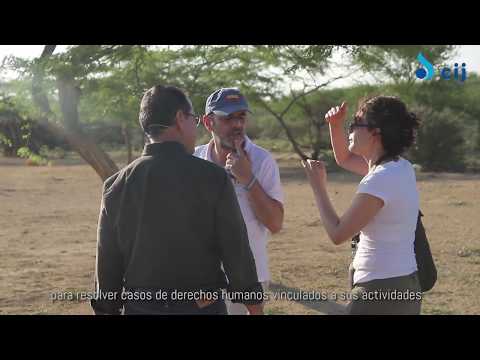
“From 9-13 December, a delegation from the ICJ visited the company Carbones del Cerrejón LLC (El Cerrejón) to analyse the operation and effectiveness of its grievance mechanism.
The company, owned by Glencore plc, Anglo American and BHP Billiton, is located in the department of La Guajira, Colombia. The visit took place within the framework of the ICJ’s initiative on the effectiveness of grievance mechanisms established by companies to remedy negative impacts and human rights abuses.
The ICJ appreciated the collaboration of the Institute of Studies for Development and Peace (INDEPAZ) in the organization and facilitation of the visit.
It also acknowledges and thanks the company Carbones del Cerrejón for the welcome and all the facilities provided to the mission as well as the information shared with the delegation.
The ICJ also thanks the communities of Afro-descendants, peasants and indigenous Wayuu who welcomed and spoke with it.
This statement contains preliminary views and recommendations from the delegation regarding the company’s grievance system and the context in which it operates.
Subsequently, the ICJ will prepare a full report and will use this evaluation in the context of a general evaluation and recommendations on operational level grievance mechanisms.
The objective of the mission was to learn about and analyse the operation of the grievance mechanism established by the company and to evaluate in a preliminary way its effectiveness.
Cerrejón is one of the companies in the coal mining sector that started the process of establishing grievance and / or complaint mechanisms early.
Between 2009 and 2011 it was part of five pilot projects carried out by a team of the Special Representative of the UN Secretary General on business and human rights.
Contextualize the mechanism: Coal mining in La Guajira
La Guajira – province of Colombia on the border with Venezuela – besides its natural beauty and the friendliness of its people surprises visitors by the sharp contrast it presents between the great wealth generated by the extraction of coal and the poverty prevalent among its population.
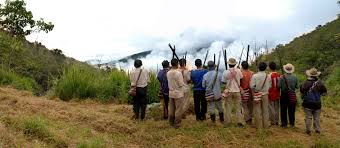
The majority percentage of the population of La Guajira is made up of indigenous Wayuu populations and Afro-descendant communities, who generally live in poverty.
There is a lack of water and of employment opportunities or economic activities that are not linked to the operations of El Cerrejón, which accentuates the apparent dependence of the regional economy on the extractive activity of coal and raises doubts and questions about sustainability of the regional economy sitting on these bases in the short, medium and long term.
The information received by the delegation of the ICJ points to corruption as one of the main factors that influence and determine the lack of better health and education services, infrastructure and economic investment in the region by the State.
Corruption is more visible among the political class. Senior officials of the regional government were or are currently being prosecuted for corruption and murder.
La Guajira has had eight different governors in five years, which is a destabilizing and paralyzing factor in a highly centralized political system of government.
In this context, although considerable efforts are made by various actors, including El Cerrejón, distrust among the population is significant.
El Cerrejón, which operates in La Guajira, is one of the largest open-pit coal mining operations in the world and has an integrated operation that includes the extraction of coal, its transport by private railroad to Puerto Bolivar (150 kilometers away) and its cargo and transportation to consumer countries.
About 40 percent of the coal exported by Colombia goes to European markets. El Cerrejón is presented as an example of responsible mining both in the Colombian coal mining region and in the world and it has recently developed a series of social responsibility policies, including a due diligence process in the field of human rights.
The ICJ was informed that the experience and lessons learned from the grievance mechanism have influenced the design of these policies.
Colombia-Cerrejon-grievance-assessment-News-2018-ENG (Full text in PDF)